Books > Learner Autonomy
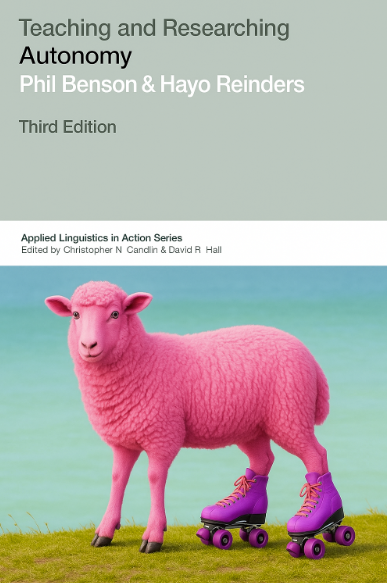
The Third Edition
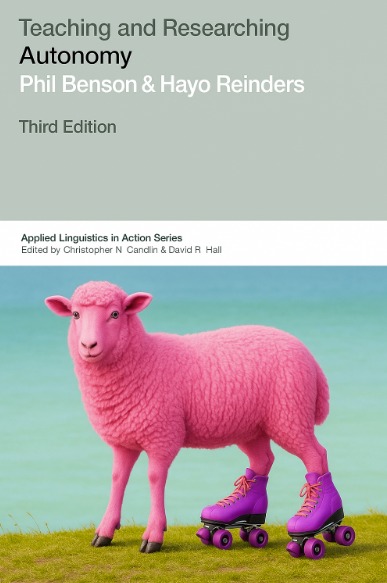
For over two decades, Teaching and Researching Autonomy has been a key reference in applied linguistics and language education. The first two editions became core texts in many teacher education programs worldwide, helping to shape how generations of students, teachers, and researchers understand learner autonomy.
I am now working with Phil Benson on a fully revised third edition. This new version will bring the book up to date with some of the most important developments in our field, including:
- The rise of out-of-class and informal learning, from “language in the wild” to digital game-based learning.
- New insights from the psychology of the language learner, highlighting the role of emotions, self-regulation, and well-being in autonomy.
- The growing influence of AI and other technologies, which are reshaping the nature of learning, teaching, and human agency.
- Updated frameworks for measuring autonomy, along with new case studies and resources.
Why this matters now
In a time when technology and society are rapidly changing, autonomy has never been more relevant. Questions of learner agency, responsibility, and identity are at the heart of education worldwide. This edition aims to provide both a solid theoretical foundation and practical tools for navigating these shifts.
Join the journey
As we write this edition, I’d like to invite colleagues, teachers, and learners to be part of the process. There will be opportunities to:
- Share examples and vignettes of autonomy in practice,
- Take part in online discussions and live check-ins, and
- Access early excerpts, resources, and updates.
If you’d like to follow along — or even share your own perspective — you can [sign up here] to receive updates and invitations.
Together, we can make this third edition a resource that reflects the richness and diversity of autonomy research and practice today.
Key Topics Covered:
Part I: Theoretical Foundations
• Understanding learner autonomy: Definitions and concepts
• Historical perspectives on autonomous learning
• Psychological and pedagogical foundations
Part II: Practical Applications
• Developing learner strategies and metacognitive awareness
• Creating supportive learning environments
• Assessment and self-assessment in autonomous learning
Part III: Implementation Challenges
• Cultural considerations in promoting autonomy
• Overcoming institutional constraints
• Teacher roles in fostering learner independence
Part IV: Technology and Autonomy
• Digital tools for independent learning
• Online learning environments and autonomy
• Future directions in autonomous language learning
This book serves as an essential resource for language teachers, teacher trainers, curriculum developers, and researchers.
The work contributes to our understanding of how learners can be empowered to take greater responsibility for their learning journey.